Speyside single malt · Filled 1970Example record
- Cask end
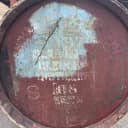 PhotographedBy the warehouse that holds it
- Marks kept
- Stencils
- Grain
- Stains
- Wear
- Hoops
- Repeat check✓No repeat or close match
- OwnershipConfirmed separately, by the broker and the warehouse
Visual fingerprinting
A visual fingerprint is the cask end’s own marks: its stencils, grain, stains, wear and hoops, photographed and kept on the cask’s record.
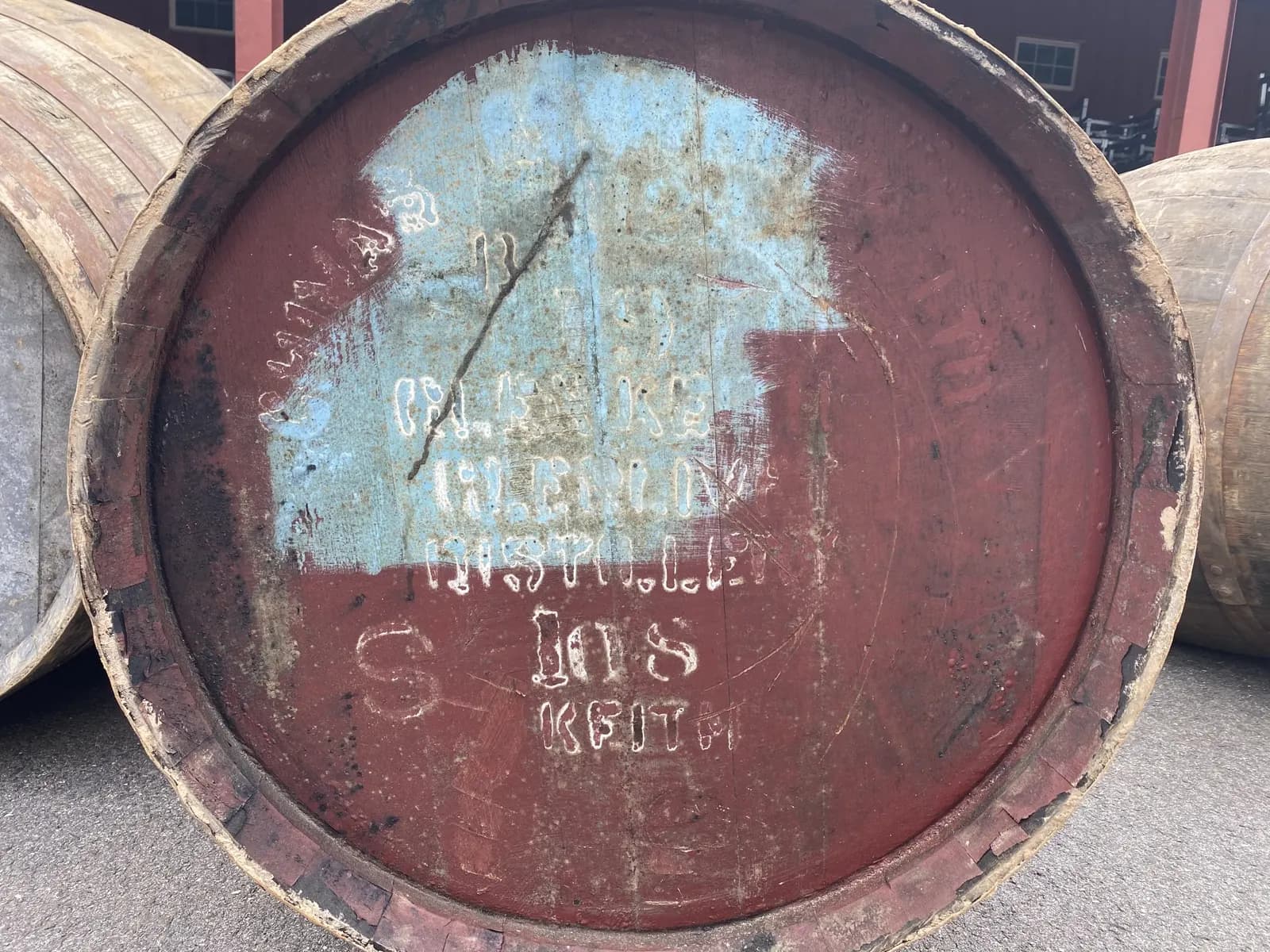
PhotographedBy the warehouse that holds itFive marks on one real 1970 cask end, up close.
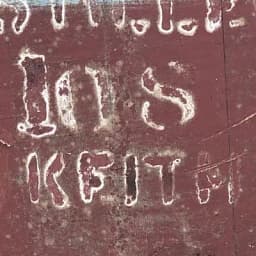
Hand-stencilled lettering, worn away unevenly, letter by letter.
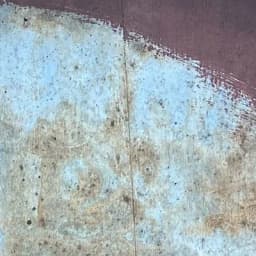
A stave joint and the wood’s grain, showing through worn blue paint.
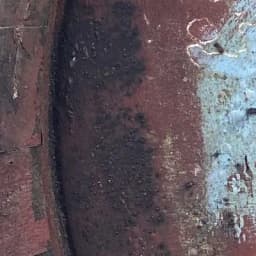
A dark band of staining down the left of the head.
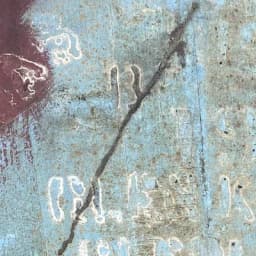
One long gouge, cut through the paint and the lettering.
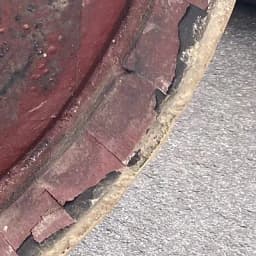
Chips and flaking paint round the rim, where the hoop holds the staves.
Each one is ordinary. Together, they belong to one cask.
Distillery, year and number, painted by hand and worn in their own way.
Every stave grows its own pattern and sits in its own place.
Spirit, damp and handling leave a map that builds over decades.
Knocks, gouges and cracks from every lift, roll and move.
Where the hoops sit, and every chip along the rim.
Same distillery, cask number and fill date as a cask already on the register, for distilleries on our list.
Close to a cask already on the register, in its details or its cask end. A person checks it first.
Example details. Pick what’s being registered and see what happens.
It sits beside your paperwork and the broker and warehouse confirmations. On its own, it doesn’t establish who owns a cask or where it came from.
You can, on a visit to the warehouse. Or the warehouse that holds the cask can, under agreed terms.
No. A clear phone photo of the cask end, square on and in good light, is enough.
No. You can register first and add the cask end later. Until you do, the record has no fingerprint.
The spirit is in a new cask, so there’s a new cask end. Record the rerack and add a photo of it. The old cask end stays in the history.
A new stain or knock doesn’t make it a different cask. If it’s re-stencilled or badly marked, add a fresh photo so the record keeps up.
Register it, photograph the cask end, and its marks stay with it.