A reminder that whisky casks are physical objects
For all the talk of digital traceability, RFID chips and ownership reforms, a whisky cask is still a wooden barrel filled with a flammable liquid, stored in a building, in a particular place. That building can flood, be broken into, or burn. Most investors never think about this. Most of the time, they do not need to. But in June 2026, Marsh Commercial published fresh guidance for distillers on fire safety for whisky maturation warehouses, covering sprinkler design, water supply needs and regulator expectations. The guidance is aimed at producers planning new warehouses or upgrading existing ones, but it should also matter to the people whose money is sitting inside those warehouses.
If you own a cask, you are an unsecured stakeholder in a physical asset you have probably never seen, held under arrangements you may not fully understand. The June 2026 guidance is a useful prompt to ask a question that brokers rarely encourage: where is my cask actually sleeping, and what would happen if something went wrong with the building it is in?
How Scottish maturation warehouses are regulated
Maturation warehouses are not lightly regulated buildings. Because ethanol is a flammable liquid stored in very large volumes, the larger sites fall under the Control of Major Accident Hazards (COMAH) regime. A 2020 IChemE Hazards conference paper recorded around 70 Scotch whisky processing sites covered by COMAH, with roughly 50 operating as Lower Tier establishments and 20 as Upper Tier. The thresholds are explicit: distilleries and associated maturation and bottling sites storing over 6.3 million litres of ethanol are classed as Lower Tier COMAH sites, and those with over 63.4 million litres as Upper Tier.
COMAH is not a paperwork exercise. The Health and Safety Executive publishes a Safety Report Assessment Guide for whisky maturation warehouses, and Scottish Building Standards guidance for new warehouses references the LPC Rules for Automatic Sprinkler Installations, which incorporate BS EN 12845. Insurer expectations, building regulations and HSE assessment all sit on top of each other.
The result is that, in practice, fires and thefts in Scottish bonded warehouses are very rare due to the strict regulatory regime. That is reassuring. It is not the same as "impossible", and it is not the same as "the loss falls on someone other than you".
What "stored at a bonded warehouse" actually tells you
The phrase "stored at an HMRC-bonded warehouse" appears in almost every cask investment brochure. It is true that bonded warehouses are heavily regulated for excise purposes. It does not, on its own, tell you any of the things that matter for physical risk:
- Which warehouse? A named site, with a postcode and a warehousekeeper, can be verified. "Held in bond in Scotland" cannot.
- Under whose WOWGR? The cask is held under a Warehousekeepers and Owners of Warehoused Goods Regulations registration. If the broker is the registered owner and they collapse, you are an unsecured creditor of their account, not an automatic title-holder of the cask.
- Whose name is on the insurance policy? If the warehouse insures the building and contents and a broker insures the contract, an investor can sit between the two with no direct policy at all.
- What is the COMAH tier and fire protection standard? A small warehouse below COMAH thresholds is not necessarily less safe, but its risk profile is different from a sprinkler-protected Upper Tier site.
None of this is hidden information. It is just rarely asked for. And once asked, it forms the spine of meaningful verification.
The gap the Finance Act 2006 left behind
The reason these questions matter so much in the UK is structural. The Finance Act 2006 removed the legal standing of Delivery Orders, which had previously been the standard instrument by which cask ownership transferred between parties. Almost twenty years later, no central register of cask ownership has replaced them. HMRC tracks excise duty, not investor title. The Scotch Whisky Association is a trade body, not a regulator of the secondary market.
In parallel, the cask trade itself sits outside the perimeter of UK financial regulation. The whisky cask trade is unregulated and the Financial Services Compensation Scheme does not apply. If a counterparty fails, there is no statutory backstop. If a cask cannot be located, there is no central authority to call.
Against that background, "where is my cask" becomes a question with real legal weight, not just a matter of curiosity.
What investors should actually verify
A short, practical checklist for any cask, new or existing:
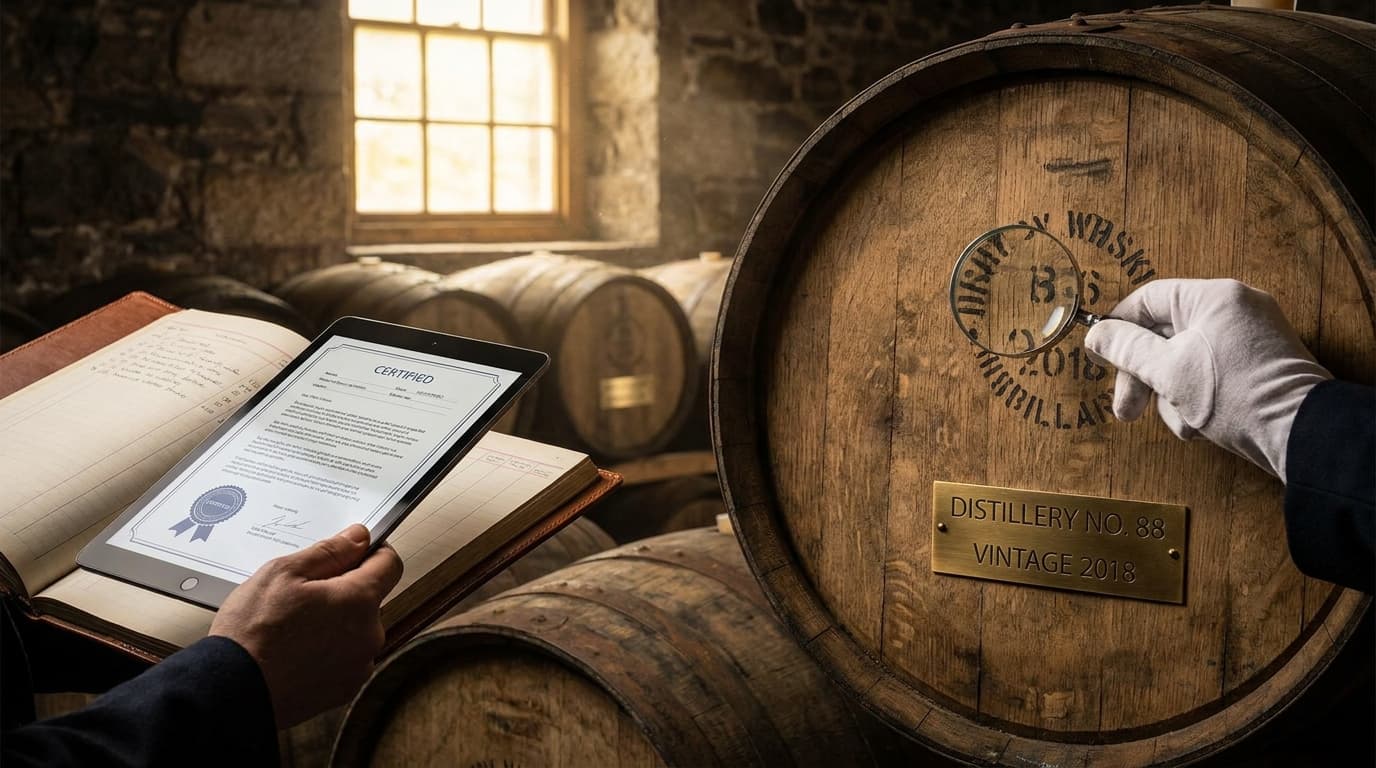
1. A named, current storage location
The contract, Delivery Order or equivalent should name the specific warehouse and its operator. If your paperwork only says "an HMRC-bonded facility in Scotland", you cannot independently confirm anything. The SWA confirms there were 154 operating Scotch whisky distilleries as of May 2026, and many more independent bonded warehouses; the universe is finite and verifiable.
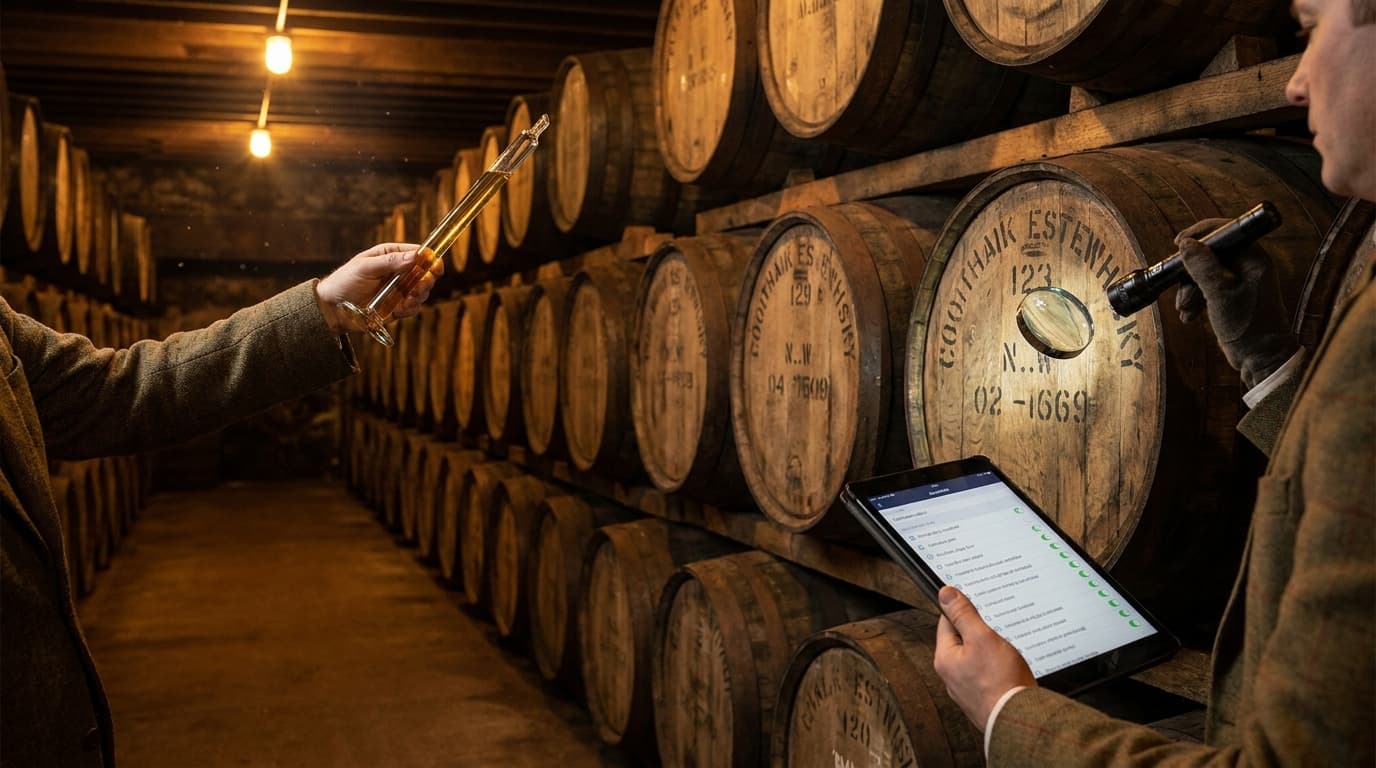
2. Confirmation directly from the warehousekeeper
A warehouse operator can normally confirm that a numbered cask exists, is in their possession, and is held to a named account. Where a broker resists or filters that contact, treat it as a flag rather than a routine inconvenience.
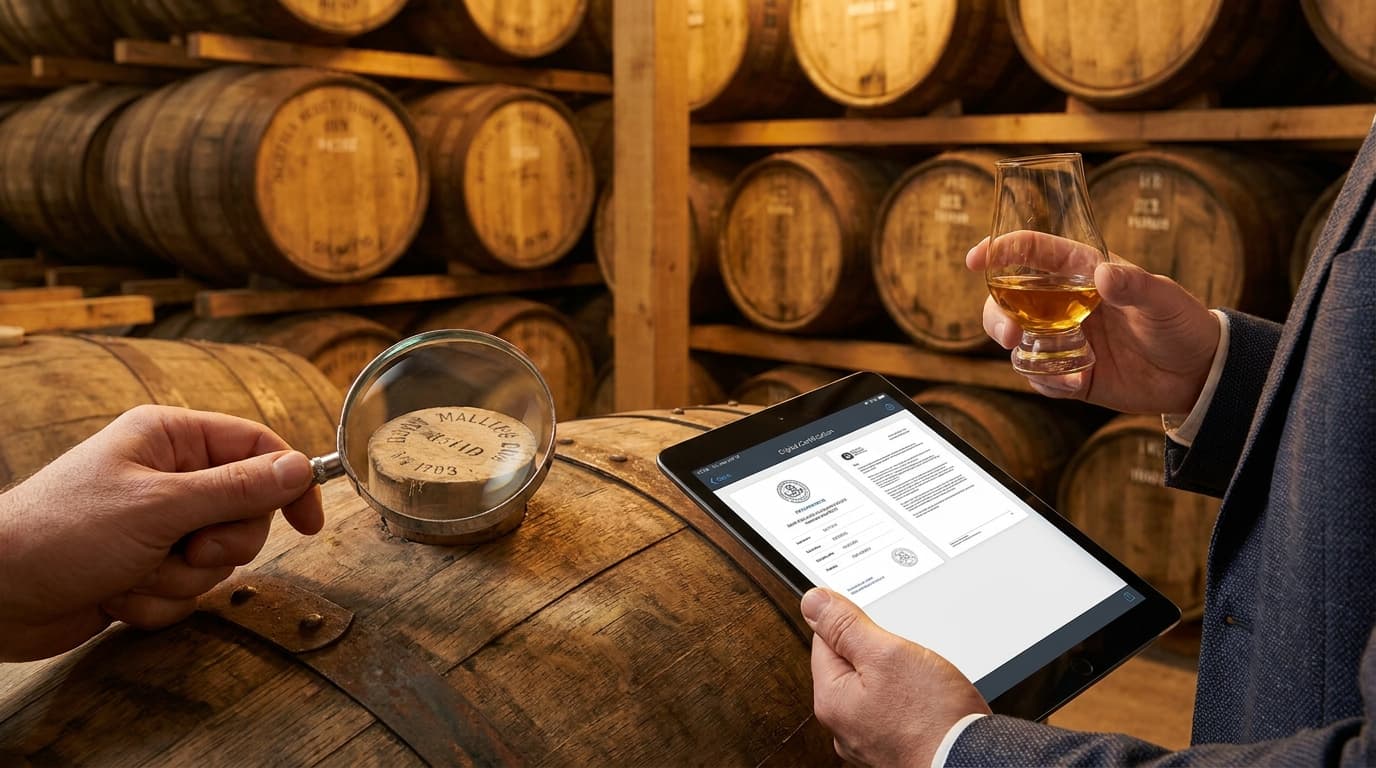
3. Insurance traceable to you
Ask, in writing, whose name appears on the insurance policy for the stock; what perils are covered; and how a claim flows back to a cask owner who is not the warehousekeeper or the broker. Generic assurances that "the cask is fully insured" are not a substitute for documents.
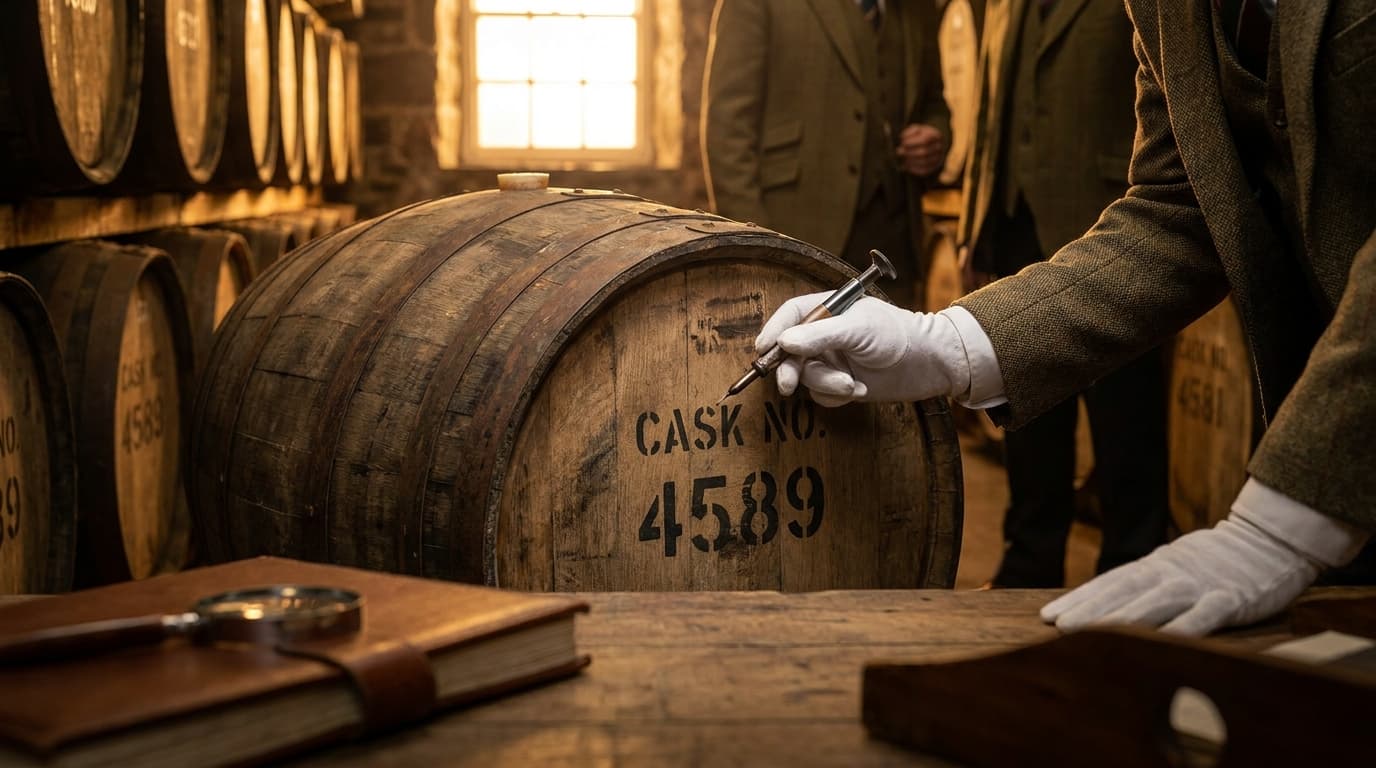
4. Independent image and identifier checks
Cask images, stencil numbers and identifiers do circulate. The same photograph can be presented to more than one buyer. Multi-model image checking, of the kind CaskID's CaskMark Vision API is built around, exists specifically to flag duplicates that human eyes miss. This is one of the few cheap ways to detect a particular class of fraud before money moves.
5. Title that does not depend on a single counterparty
The whole point of verifying storage is that your ability to recover the cask should not collapse with any one company. If the only evidence you can produce is an invoice from the broker who sold it to you, the position is weaker than it looks on paper.
What the June 2026 guidance is really saying
The Marsh document is, on its face, advice for distillers. Read alongside the regulatory backdrop, it is also a reminder that the industry takes physical risk seriously because the consequences are large and irreversible. Cask investors should take the same view. Approximately 22 million casks are maturing in Scotland; the great majority are safe, well documented, and exactly where their owners think they are. The small minority that are not tend to share a profile: vague storage details, paperwork that does not lead anywhere independent, and a counterparty between the investor and the warehouse who would prefer that the investor not look too closely.
Independence in verification is not a marketing slogan. It is the difference between a cask you can describe and a cask you can prove.